Hashem promised Avraham that his children would be great in number. Though we have never been more than a small fraction of the world’s population, our cumulative numbers throughout the generations overshadow those of nations who come and go.
_x000D_Hashem’s promises compared the Jewish people to natural elements, including dirt[1], stars, and sand[2]. What is the significance of each of these metaphors?
_x000D_Dirt
_x000D_Tosafos[3] explains that the Jewish people are like dirt because both are eternal. No matter how hard others try to destroy us, Hashem ensures our survival.
_x000D_In his famous letter to Yemenite Jews who were, like us, the victims of murderous barbaric Islamic persecution, the Rambam identified another important aspect of the comparison to dirt. Though people spend their lives walking upon dirt, the dirt ultimately ends up above them when they die and are buried. We, like the dirt, will eventually end up on top. People may trample us, but ultimately, our attackers will be buried below us.
_x000D_The Seforno[4] adds that being trampled is a necessary pre-condition for our Ge’ulah; before reaching redemption, we must first endure the abuse we are currently experiencing. We pray that this is the final abuse.
_x000D_Stars
_x000D_After Avraham passed the test of the Akeidah, Hashem equated his descendants to the stars in the sky and the sand on the seashore.[5] What do these metaphors add?
_x000D_The gemara[6] explains that Hashem equates us to both dirt and stars because we are destined to be either way above or way below other nations. When we live correctly, we are likened to stars; when we turn from Hashem’s path, we are trampled like dirt.
_x000D_Like the bright stars, each Jew has a unique light to add to the world.[7] Our influence on world history far outshines our percentage of humanity; some 22 percent of Nobel Prize recipients have had at least one Jewish parent.
_x000D_In the words of Milton Himmelfarb: “Each of us Jews knows how thoroughly ordinary he is; yet taken together, we seem caught up in things great and inexplicable…
_x000D_The number of Jews worldwide is smaller than a small statistical error in the Chinese census. Yet, we remain bigger than our numbers. Big things seem to happen around us and to us.”[8]
_x000D_Sand
_x000D_We now understand why Hashem compared the Jewish people to both stars and dirt. Why does He compare us to sand as well? What does this third metaphor add? How is sand different than dirt?
_x000D_Many explain that sand is unique because it packs together very tightly and heavily. Individual granules of sand get kicked and blown around by the wind. However, when you stick the granules of sand together (especially with water) as one unit, they become strong and powerful. Under enough pressure, sand even fuses together and becomes a solid sheet of glass!
_x000D_The same is true with the Jewish people. When we stand alone, we are weak; when united, we are unstoppable. While it is true and significant that every Jew shines like a star, our real strength emerges when we come together like millions of grains of sand.
_x000D_Achdut and Acheinu
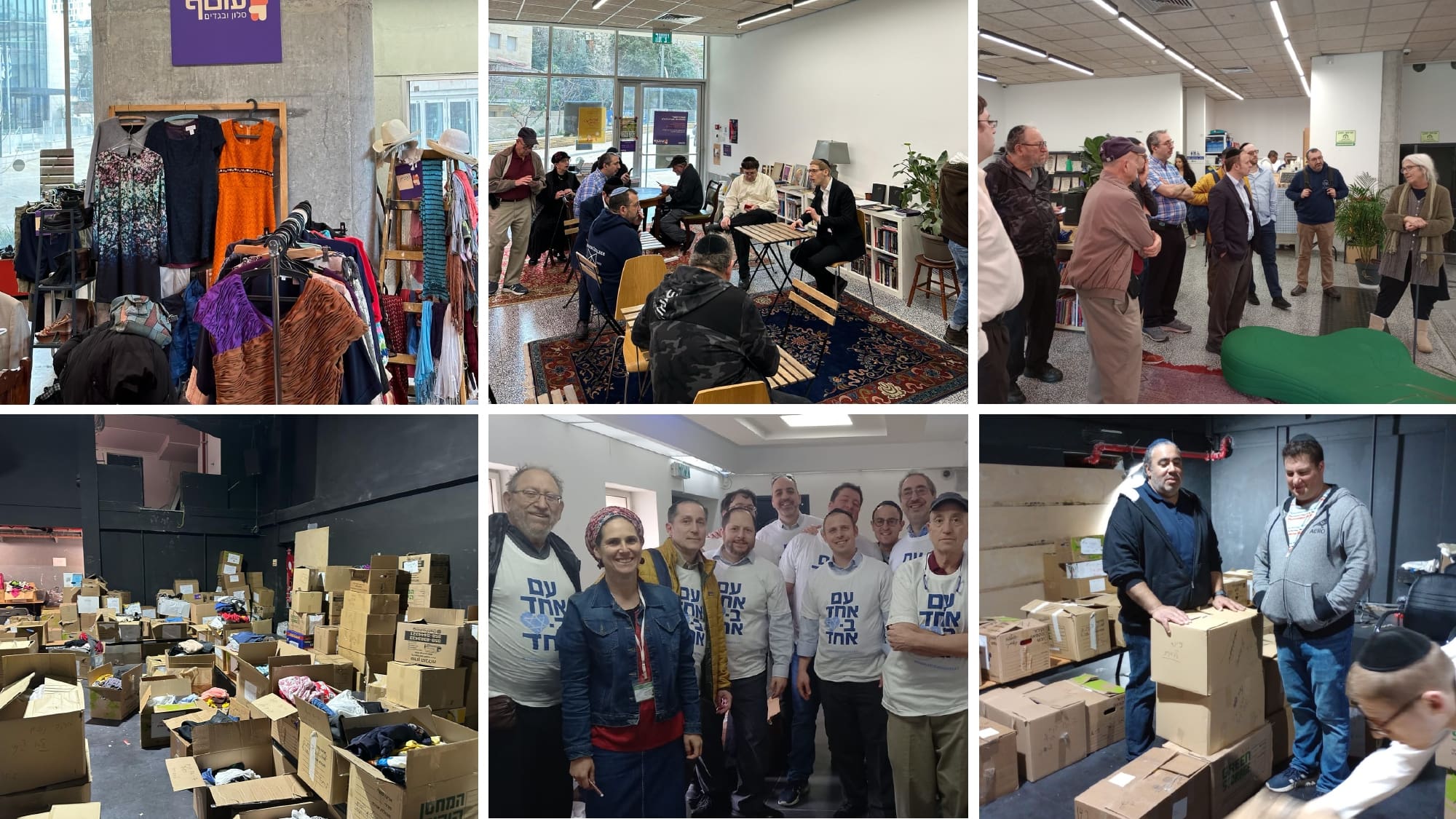
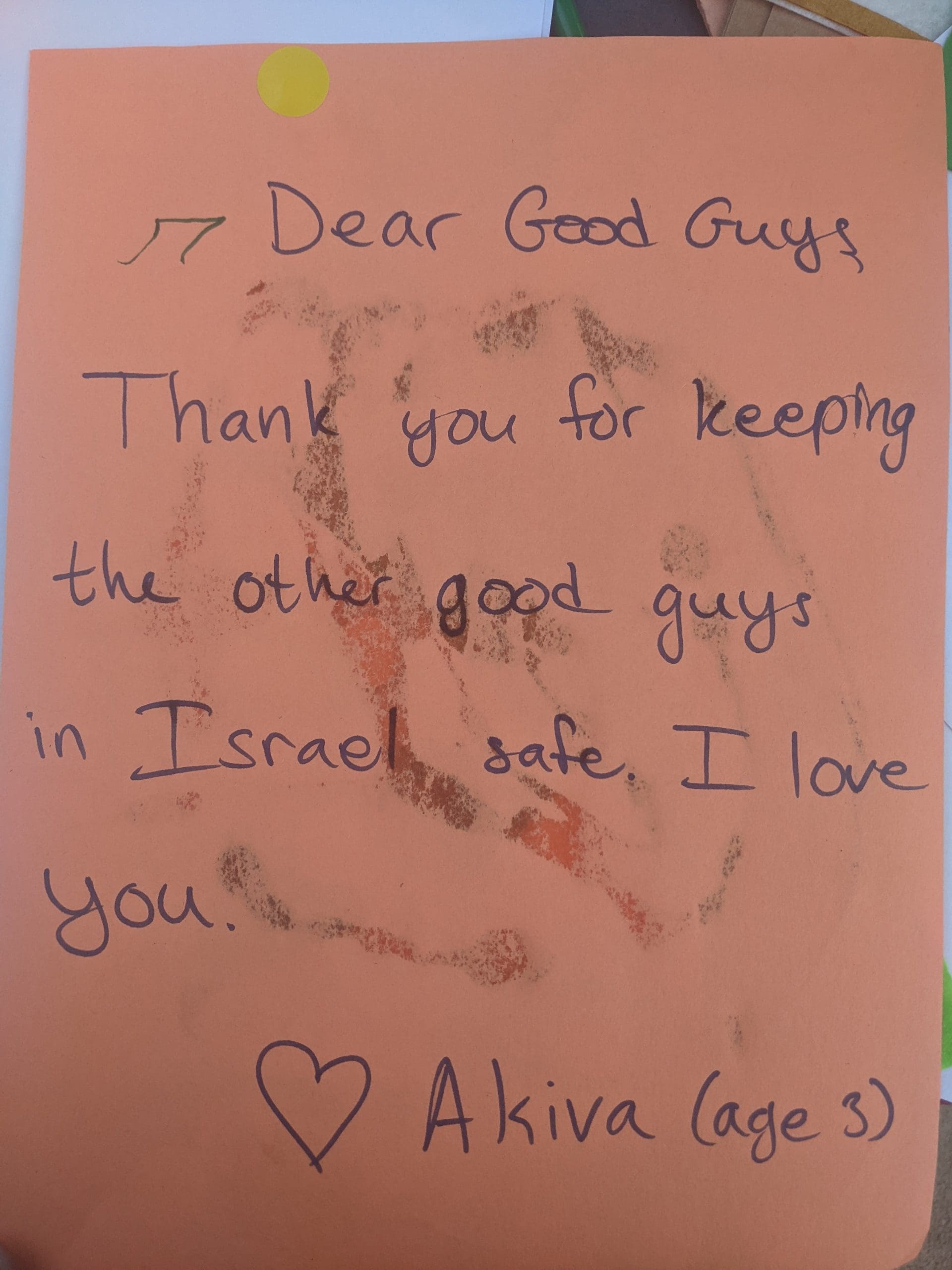
_x000D_The past few weeks have demonstrated Am Yisrael’s unity and brotherhood like no other time in recent history. Both in Israel and across the Diaspora, countless Jews have been begging for ways to help other Jews, breaking down walls and setting aside differences that kept us apart so recently.
_x000D_Restaurants in Tel Aviv kashered their kitchens in order to cook for religious soldiers; Chassidim held dance parties to welcome displaced residents from the South; tens of communities in Chutz La’aretz rallied to send Israel hundreds of millions of dollars and thousands of suitcases filled with everything from gear to games to Israel.
_x000D_The Acheinu Worldwide Unity Program aims to capitalize on this feeling of brotherhood and sustain it for the future. We must be able to unite without being prodded by external attacks. To accomplish this, we must work on personal, communal, and international unity.
_x000D_How?
_x000D_Personally, we need to bury the hatchet with those we have issues with. In addition, we should strengthen our relationships with those we already know and reach out to those we do not yet know. We should forge relationships with Jews who live in our neighborhoods, work in our workplaces, and interact with us on social media, and invite them for Shabbat meals.
_x000D_Communal leaders should speak and write about the importance of Achdut and serve as examples by working together with leaders of all of the community’s other organizations. Leaders and organizations should issue joint statements calling for Achdut and figure out ways to work with one another. Communities should arrange mass events, such as study, prayer, and protest (as appropriate for each community), that include all the community organizations and their members.
_x000D_Though we will continue to disagree, we should emphasize our shared brotherhood and disagree as brothers.
_x000D_It is vital to connect ourselves and our Achdut efforts to those of other Jews around the world. Acheinu offers this opportunity through global Jewish initiatives such as the upcoming Acheinu Song Compilation and Global Siyum.
_x000D_In addition, we can reinforce our connection with Jews worldwide through the common Acheinu logo worn and displayed by Jews in fifty countries in twelve different languages. When you wear the Acheinu logo and hang an Acheinu banner on your shul, school, and other Jewish buildings, you reinforce our global unity.
_x000D_Take Part in Global Initiatives
_x000D_We invite schools, shuls, and community choirs to join the Acheinu Song Compilation.
_x000D_In addition, every one of us can participate in the Global Siyum. Leading up to the Sheloshim of those killed by Chamas, Jews worldwide are learning Mishnayot in their memory. The Acheinu Global Siyum allows us to learn alongside Jews in tens of other countries and hundreds of other communities.
_x000D_Learning this way will help us feel connected to one another during these challenging times. Jews in New York and London are reminded of those in Malta and Tanzania, and those in Zambia and Finland can connect with larger communities in London and Toronto.
_x000D_Jews in communities around the world will inevitably learn in memory of the victims. Let’s do so together with world Jewry in a way that reflects and reinforces our global unity.
_x000D_Please join us by signing up in the column set aside for your community on the Siyum tab on the website.
_x000D_Victory
_x000D_May embracing our “sand-like” nature help us realize the continuation of Hashem’s promise to Avraham: “v’yirash zaracha eis shaar oyvav — and your descendants will inherit the gates of their enemies.”
_x000D_Let’s let our soldiers know that we stand united behind them.
_x000D_Let’s show Hashem that we understand and have internalized His message and have recommitted ourselves to the unity of Am Yisrael.
_x000D_
May doing so merit a speedy victory and end to our suffering.
For more information about the Acheinu International Unity Initiative and to sign up for the siyum, see acheinu.world.
_x000D_Rav Reuven Taragin is the Dean of Overseas Students at Yeshivat Hakotel and the
_x000D_Educational Director of World Mizrachi.
_x000D__x000D_
_x000D_
[1] Bereishit 13:16. See also Bereishit 28:14 and Bamidbar 23:10.
_x000D_[2] Bereishit 22:17.
_x000D_[3] Tosafot on Masechet Berachot 17a D”H V’nafshi.
_x000D_[4] Bereshit 28:14.
_x000D_[5] Bereishit 22:17.
_x000D_[6] Masechet Megilah 16a.
_x000D_[7] Ha’emek Davar Bereishit 22:17.
_x000D_[8] Jews and Gentiles, pg. 141-142.
_x000D_